Memoir Writing

Somewhere between documentary and created personal myth, today’s memoir is a seductive medium. After all, whom is more interesting to write about than one’s self? Memoir writing is recalling events stored in human memory. It’s currently a popular form for writers of essays and creative non-fiction. Some memoirs even strive to report life rooted in fact.
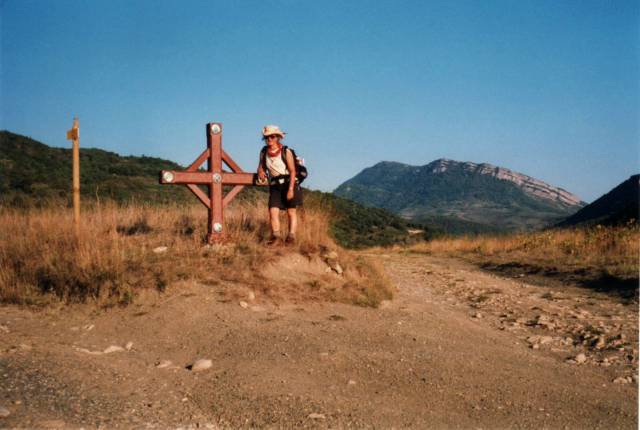
Author near pilgrimage cross in Rousillion_Pyrenees0002

Resting at a way-sign, Pyrenees Pilgrimage, September 2001. Old-style ‘selfie’ photo.

I looked up memoir in my Hachette Oxford French dictionary and was surprised to see that the literary context is the third meaning of the word, after a full column of English meanings related to administrative memos, dissertations, legal statements, and computer storage. Why did I look up memoir in a French dictionary? Because those pesky French are dedicated to meticulous language management and the book was easier to lift than Vol. 1 of the Shorter OED.

It turns out that the OED dedicates less space to the word memoir and roughly follows the order of meaning as presented in the French-English dictionary. The OED’s second meaning is “A record of events or history from personal knowledge or from special sources of information; an autobiographical or (occas.) biographical record.”   A record of events or history from personal knowledge.

Nothing about idealized autobiography, my life according to me, or too-vivid recollection laced with exciting falsehoods and recreated dialogue.

I enjoy reading memoirs, or at least I did, until just about everybody breathing decided their life was interesting enough to report. (Or embellish, in the case of some creative non-fiction writers.) Most memoirs I dip into and reject have the depth of a corridor and the nuance of two walls. I’ll call those the memory lane story books.

To write a memoir you have to have a life to write about. A full life, not a single turning point or a shocking event. Too many memoirs trace skeins of recollection that knit a hair shirt of abusive or cruel parents, wallow in voluntary pursuit of sexual, criminal or chemical excess, or turn on happenstance. Are there memoirs-in-the-making that center on “What happened to me on 9-11.”

Let’s look at “this terrible thing happened to me” memoir. Some of the voices telling these escapades are self-involved, linear talk-show chatter glued between covers. Or they preach and warn, as if lives followed predictable routes. Am I cruel to say that these writers don’t seem to have much else to examine or write about arising from their lives except “the big bad thing.”

Then there are the “I survived, so you can too” memoirs that suggest that people’s lives can be compared. They can’t be; we’re all way too different. Two legs, two arms, and two eyes, etc. doesn’t make us similar or the same in terms of experience, psyche, brain or behavioral type.

Perhaps people with only one big life event to discuss shouldn’t attempt memoir. At least not until they’ve lived a life – say, three score or seventy years – and can put the big event in context. To limit their personal horizons to focus on an experiential element that’s still governing their thoughts years ex post facto, signals to me that the authors haven’t thought enough, haven’t placed their experiences in perspective or used the big event to learn something useful to the rest of us. Does publication expiate demons?

The writers who explore their memoirs of personal obsessions and failings also abuse the publishing platform. To me, it is intellectually short sighted to operate under the premise that addictions and low-life explorations are unique.   Just because an author chooses not to write about a sexually defined youth doesn’t mean there wasn’t one. Or two hundred. If an author decides to gloss over the scummy process of drug rehab doesn’t mean it was easy. I’m suggesting a little restraint and living life long enough to have something to say. Do we really need more books about how stupid, dependent, vapid and weak humans can be?

A few gifted writers parse their personal sufferings in a useful way without pandering to the gawkers. Most of us just sound silly babbling in over-exposure; therapy sessions gone public.

The genre I know best is travel memoir. The travel memoirist steers lightly across memory lane, in the context of the journey through a place. The elegance lies in developing and expanding the people encountered and the settings absorbed, rather than simply prattling about the writer’s perspectives on the people or opinion of places seen. Perhaps the travel memoir about place meets a touchstone in the author’s past experience, just for a moment.

The travel memoir edges towards being biography of place.   History, commentary by other visitors, language and cultural change, climate and geography all play in a travel-ish memoir.

I urge focus on the people of a place. Let the locals show and tell their story. The travel memoirist reports their narratives set in the structure of the author’s journey.   If a situation tempts you to follow memory lane and its tangents, go ahead and write, but be prepared to sharpen the de-boning knife and slice off that self-indulgent thigh meat, perhaps to be used elsewhere.

At issue is the reader’s expectation. The reader of a travel memoir wants the story of the trip and will tolerate digressions that illuminate the person doing the trip. But, when the tangent down memory lane engages characters we don’t know and haven’t met in the current narrative, or enters realms of the author’s head, or cites the ‘you had to be there at the time’ excuse, best to cut. In travel memoir, the subject is the place, not you and what it means to you.

Sometimes the universe contrives to teach. In a chapter in my book on walking across France in the Pyrenees, I was discussing meeting a traveler on the footpath. He was headed to Santiago and the spittin’ image of someone I was fond of and traveled with during my twenties, one of those spirited youthful adventures memory laners are fond of writing about. It was fun to write about this tangent to my journey and each time I revised the chapter, that particular segment grew. After all, what is more interesting than our own selves? Soon I was poking around in my own mind more than connecting the reader with the place and action at hand, which in this instance was St. Jean Pied du Port, a gateway city to the Camino.

While I wrote about how amazed I was that some stranger who looked just like Dr. X was proposing we walk a long distance together, just like X and I had talked about during cross country road trips, I easily slid back into the mid 1970’s. I was writing happily in my memory lane.

Meanwhile, waves of sheep were scampering across the farm lane where we were chatting. A storm the night before had watered the pastures, revived the grass. A cheese-making town was just over that ridge and a few miles ahead, the pilgrimage way station of Ostabat.  The reader of a travel memoir about Basque lands probably wants to know about how two shepherds and three dogs control several hundred sheep, wants to taste the local cheese, perhaps read about the medieval traditions of pilgrimage and how the locals greet modern day pilgrims. The reader wants to be in the moment of that travel scene. But I was more interested in exploring my fond memories and the crossed stars of coincidence.

Now, don’t come away with the idea that you leave yourself out of the memoir narrative. Not at all. Proportion is the key. Readers of memoir want to know the narrator and some of the quirky experiences that make the author believable and consistent. They also want context and factual grounding.

Personal experience makes more sense set against a fact based backdrop. Let the reader know what the world at large was doing while you were stuck in rehab or losing wealth as the dot-com you founded foundered. Use your life to make a point, but make sure the lesson is larger than your “oh poor me” feelings.

I’ll finish up in just a sentence or two, but first, I want to tell you how the universe conspired to teach me the difference between memory lane and travel memoir.

The universe arranged that my computer flashed a fatal error message and blasted into the black hole beyond your hard drive, the version of my Basque walk with all the memory lane stuff, which I hadn’t yet saved.

Gone, all my musings about the meaning of meeting the duplicate stranger on the path to Santiago. When I re-read the earlier version that survived the error blackout, I realized that the chapter was better for having lost the paragraphs of infatuation with coincidence and self-indulgent memory lane gazing.

Note: A slightly different version of this essay appeared in Wordhouse, a Baltimore publication for writers.
Posted in Freelance Writing, Memoir, Motivation, Outdoors Life, Pilgrimage, Travel, Writing | Tagged , , | 6 Comments

Mokupapapa Discovery Center in Hilo

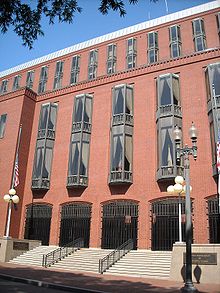
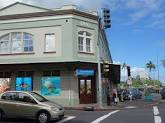
The ground floor of the Koehnen building,  76 Kamehameha Avenue, Hilo suggests 1920s grandeur with a wide staircase leading to law offices back in the day.  The building ocupies the corner of Waianuenue Avenue and Kamehameha Avenue  — powerful names in Hawai’i.  King Kamehameha unified the Hawaiian people and Waianuenue refers to rainbows in falling water.

hilo-noaa-marine-disc-ctr

Koehnen Building, Hilo waterfront

noaa-marine-nat-monument-reef

Papahanaumokuakea Marine National Monument

The facade is akin to other early 20th c. commercial properties along the waterfront

hilo-marine-discovery-center

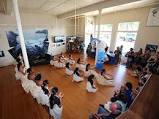
Visiting students learn about Pacific marine ecology.

walk. But the Koehnen building has been revamped and repurposed for a global purpose.   The Mokupapapa Center is a marine education center run by the U.S. National Oceanic and Atmospheric Administration founded in 1970.

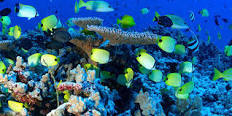
NOAA offers community events and presentations to educate students and visitors about Papahanaumokuakea (Pa-pa-han-au-mo-kua-kea) Marine National Monument in the far western Pacific.  The National Marine Sanctuary contains the remote coral atolls of Hawai’i and is truly one of the last wild places on earth.

The Marine Sanctuary is also one action by President George W. Bush that many people can agree with, though even protected marine areas are still vulnerable to deep sea mining and fossil fuel exploration.  It’s not clear whether those exploration permits include access to the extensive stretch of the Pacific Ocean included in the National Marine Monument.

hilo-noaa-center

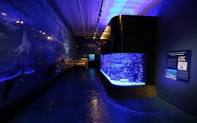
Aquarium in the Mokupapapa Discovery Center, Hilo

NOAA Marine Nat Monument Chart

Volunteers may apply to be selected for participation in wildlife census projects on the various remote islands of the Hawaiian archipelago.  Work projects last from several weeks to 6 months.  Participants contribute financial support to partially cover their expenses, approximately $2,000 for travel, tent lodging and food costs for 4 to 6 months for most of the projects.  The volunteer census projects should not be viewed as an exotic low-cost vacation; the work is not easy and conditions are tough. Experience with biological data collection, daily life in extreme conditions plus a buoyant natural camaraderie are required skills.  The application form  weeds out people who are simply collecting awesome experiences or checking notches off a bucket list.

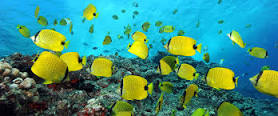
noaa-marine-nat-monument-yellow-fish

Papahanaumokuakea Marine National Monument

The Midway Atoll  National Wildlife Refuge and Battle of Midway National Memorial previously admitted visitors, but that has been suspended.

Mokupapapa Discovery Center, 76 Kamehameha Avenue, Hilo, HI 96720

808.933.8195  email:  nakoa.goo@noaa.gov   Papahanaumokuakea.gov

Open: Tues-Sat 9 am to 4 pm. Closed on federal holidays. Admission free.

Posted in Education, Geography, Hawai'i, History, Marine Science, Nature, Oceanography, Outdoors Life, Travel, Wildlife | Tagged , , , , , | Leave a comment

12 Travel Resources for 2017

1.The Appalachian Trail   – Go the distance or cross a small state for a weekend adventure.

2.Budget Travel in 2017 – Tips from Forbes

3. Camino Santiago de Compostela – Pilgrim trials across Europe

4.Electric Currents Around the World  – Current convertors prevent accidents

5.Embassies in Washington DC  – Visa information for travel outside the USA

6.Learn about travel writing – Check your local library

7.Money Convertor – What is your cash worth?

8.Passport and Visas  – U.S. Department of State Bureau of Consular Affairs

9.Peace Corps – Great job but low pay.

10.People to People International  – Travel encounters with families and individuals

11.Travel Screening and Security  – Prepare for TSA screening

12.Wilderness Adventures  – Volunteer with U.S. National Forest and Park Service, the Bureau of Land Management and the US Fish & Wildlife Agency


Posted in Budget Travel | 1 Comment

Honolulu Theater for Youth

After peeking into a wedding ceremony underway at the Cathedral of St. Andrew, my travel pal Marilyn and I wandered around the grounds which are close to the Iolani Palace in Honolulu. Though inaccurate to describe St. Andrew’s grounds as a cathedral close , the Hawaiian-Anglican-Episcopal cathedral certainly pays homage to the mother-country’s ecclesiastical architecture.  Squint away the palm trees and this might be Sussex.

We stopped to chat with drivers of grossly stretched white Jeep limousines.  The drivers killed time with their mobile phones while waiting for one wedding to end and the next to start.  Brides and their attendants posed for photographs against the backdrop of a fountain and foliage. We walked around the bishop’s office,  admired the stained glass windows in a chapel and, turning a corner, noticed a theater marquee.

The Honolulu Theater for Youth staff were rearranging stage elements in a large auditorium. We asked a statuesque young man near the door if we could look around.  Eric West — “Make sure you write ‘West’ because we have several colleagues named Eric, including the Director.” — explained that he handles multiple logistical problems like how to build and install sturdy stage elements and design portable sets for new productions. The troupe is based at St. Andrew’s and performs in schools throughout Hawaii, he explained, so the traveling productions need lightweight sets.

He told us that a previous Dean of the cathedral bequeathed the auditorium now the headquarters for the Honolulu Theater for Youth.  Why don’t more churches loan or convert space to service active educational and cultural projects?

The group  performs on O‘ahu at Tenney Theatre at the Cathedral of St. Andrew in Honolulu and travels throughout the state to various performance spaces as well as school classrooms.  Creative workshops are also offered.

Productions include educational elements, like local food policy in  Grinds, the Story of Food in Hawai’i.  Grinds is the Aloha Islands word for good food.  The Tiny Tree explores themes of cooperation, helping others and celebrating cultural differences.

Performances cost  $6 per student. Several discount programs are offered for groups, children receiving free and reduced lunches. Teachers and required assistants are admitted at no charge with the group. Those who can pay are encouraged to do so, to help meet production costs.

Posted in Culture, Education, Hawai'i, Student Projects, Theater | Tagged , | 1 Comment

What is Eco Criticism?

Ecocriticism Reader: Landmarks in Literary Ecology

What we read influences how we interact with the natural world. Ecocriticism is the study of the relationship between literature and the physical environment,  an earth-focused view of literary scholarship.
The Association for the Study of Literature and Environment  (ASLE) is dedicated to environmental literature and culture.  The organization offers grants, conferences and advocacy opportunities for advancing the protection of the environment, the planet and its creatures through literature and writing.

The Association of Writers and Writing Programs (AWWP) is a advocacy union of thousands of independent writers, teachers and college and university based writing programs.

Posted in Travel Knowledge | Tagged , , , , , , , , | Leave a comment

Where the Wild Creatures Roam :: Is It Sustainable?

Wildlife Tourism 

What can we do to prevent the massacre of wild animals?  Do humans actually still get a thrill from shooting wild animals?  What streak of evil condones and continues that practice?
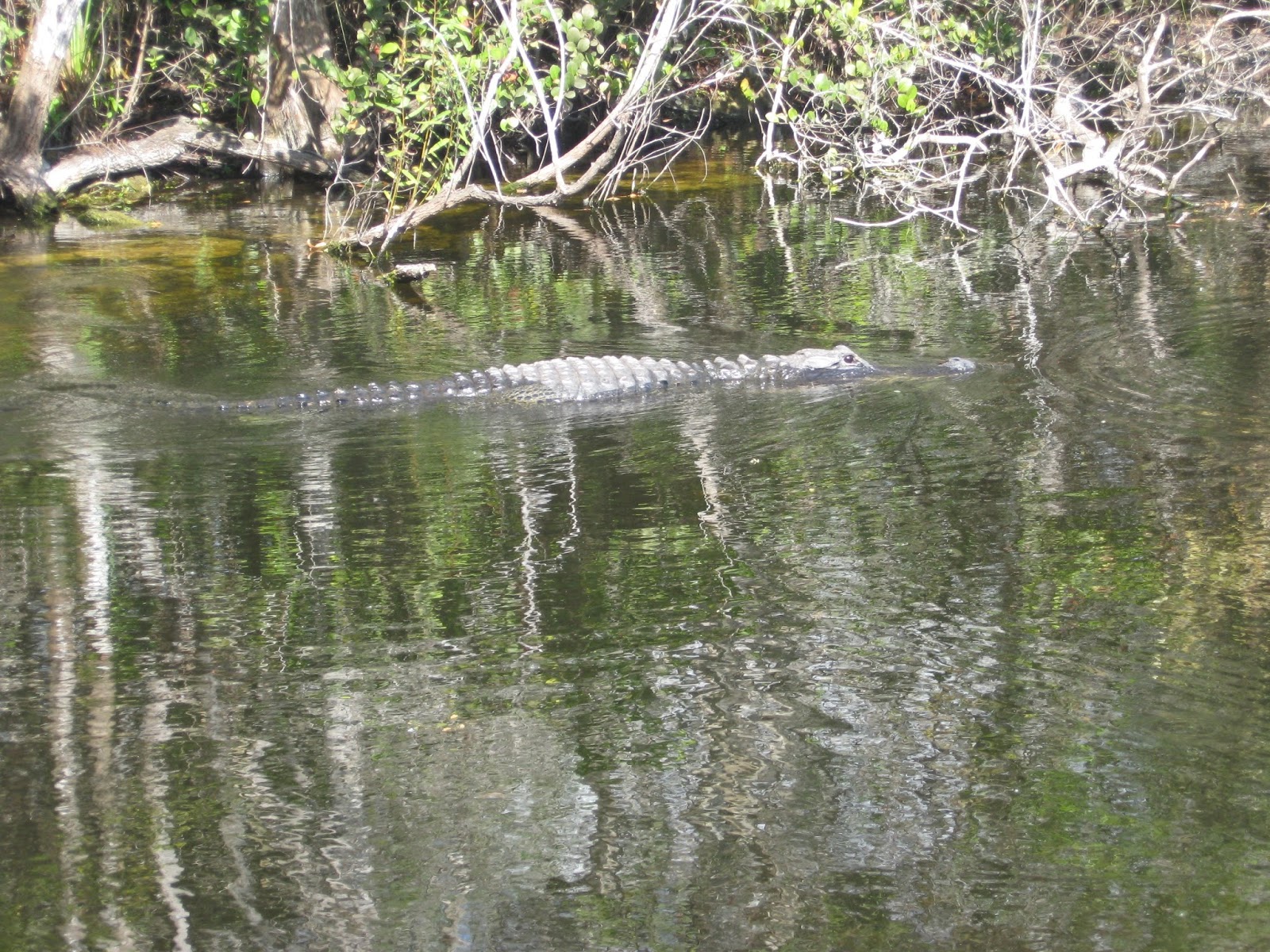
Does wildlife tourism help stamp out the killing of animals in the wild for sport or promote and encourage it by creating tourism infrastructure in remote areas?

Here are a few articles reporting the repulsive human tendency to shoot, poison or terrorize animals and a couple of articles examining the reasons why the polar bear population is in grave decline and whales are beaching regularly.

Elephants Everywhere

Animals Slaughtered in a U.S. Zoo

Tigers in India

Salmon in Kamchatka

Wolves in Alaska

Giraffe Massacre in a Czech Zoo

Polar Bear Population Decline

Whales Dying on Beaches

Posted in Travel Knowledge | Tagged , , , , , , | Leave a comment

Interview with Zoltán Géher

Special Interview With Zoltán Géher – XpatLoop.com – Specials

Posted in Travel Knowledge | Leave a comment

Why Buy Ugly? :: The Aesthetic Cost of U.S. Taxpayer Financed Buildings

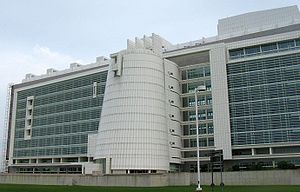
Why spend  money acquired from taxpaying U.S. citizens for structures that are ugly and not energy efficient? Why create more eyesore buildings?

People would become more visually oriented and creative if they could see beautiful structures that open their eyes to intense interrelations of beauty and nature.  If systems  thinking was applied to design then there would be more opportunity to cultivate and nurture the seeds of creativity.

Especially when the construction project is a taxpayer-funded project, it should be designed and built to the highest standards of architectural and engineering felicity.  Let federal and state sponsored building be the very best examples of American architecture.

Think of the massive structures that we travel the globe to see — the cathedrals of France, Potala palace in Lhasa, castles on the Rhine, Angkor Wat,  Borobudur,  the Pantheon in Rome, Teotihuacan and countless other ancient cities in Mexico, the temples of Athens, the pyramid tombs of Egypt, the Taj Mahal, the Great Wall of China.  These were public works projects or symbols of private enterprise in their day.  If visionary builders and paymasters centuries ago hadn’t constructed pleasing and durable buildings, there would be no residual evidence of their creative effort and social systems.

Architecture  — that which remains after the floods, hurricanes, tornados, wars and fire.  It provides specific and concrete evidence of how a society functioned, what it valued, how the humans prospered or failed, what was valuable to them.

 Would you describe any of these taxpayer financed buildings as lasting esthetic monuments to freedom and creative enterprise?

Maybe the ugly building penalty tax has a place in our culture?

Posted in Travel Knowledge | Leave a comment

Gulangyu :: China

dc092-gulanguparkinglot

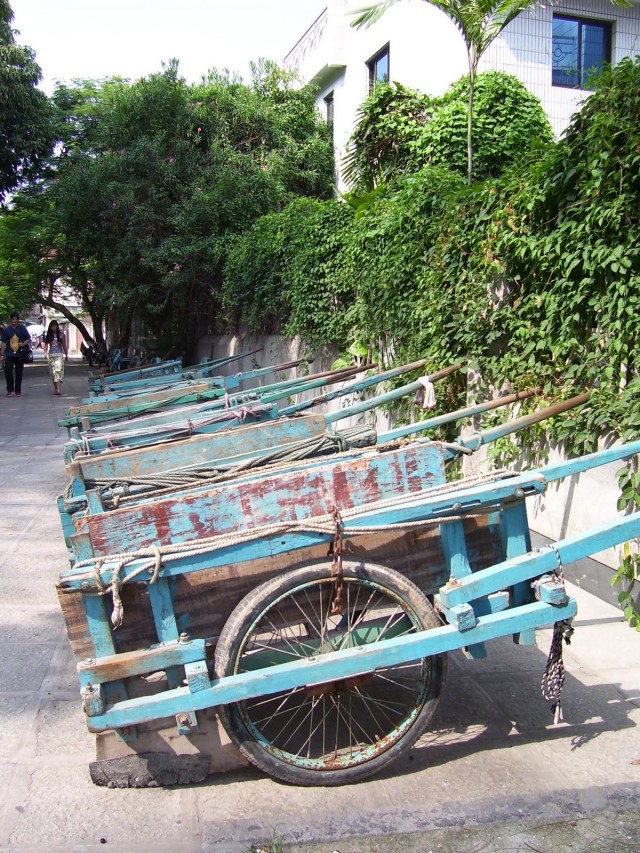
Cars are not operated on Gulangyu. ©2007 L. Peat O’Neil

Gulangyu (Piano Island) lies off the eastern seaboard of China approximately 300 KM from Taiwan. It is a quiet place because no cars are allowed on the island. The nickname Piano Island reflects its shape and a nod to the famous music academy located on the island.  Gulangyu Island, though a short ferry ride away, is considered part of Xiamen, an urban center of 2 million. Students at the music school practice all day and in that vicinity you can hear their scales, harmonies and rare screeches.

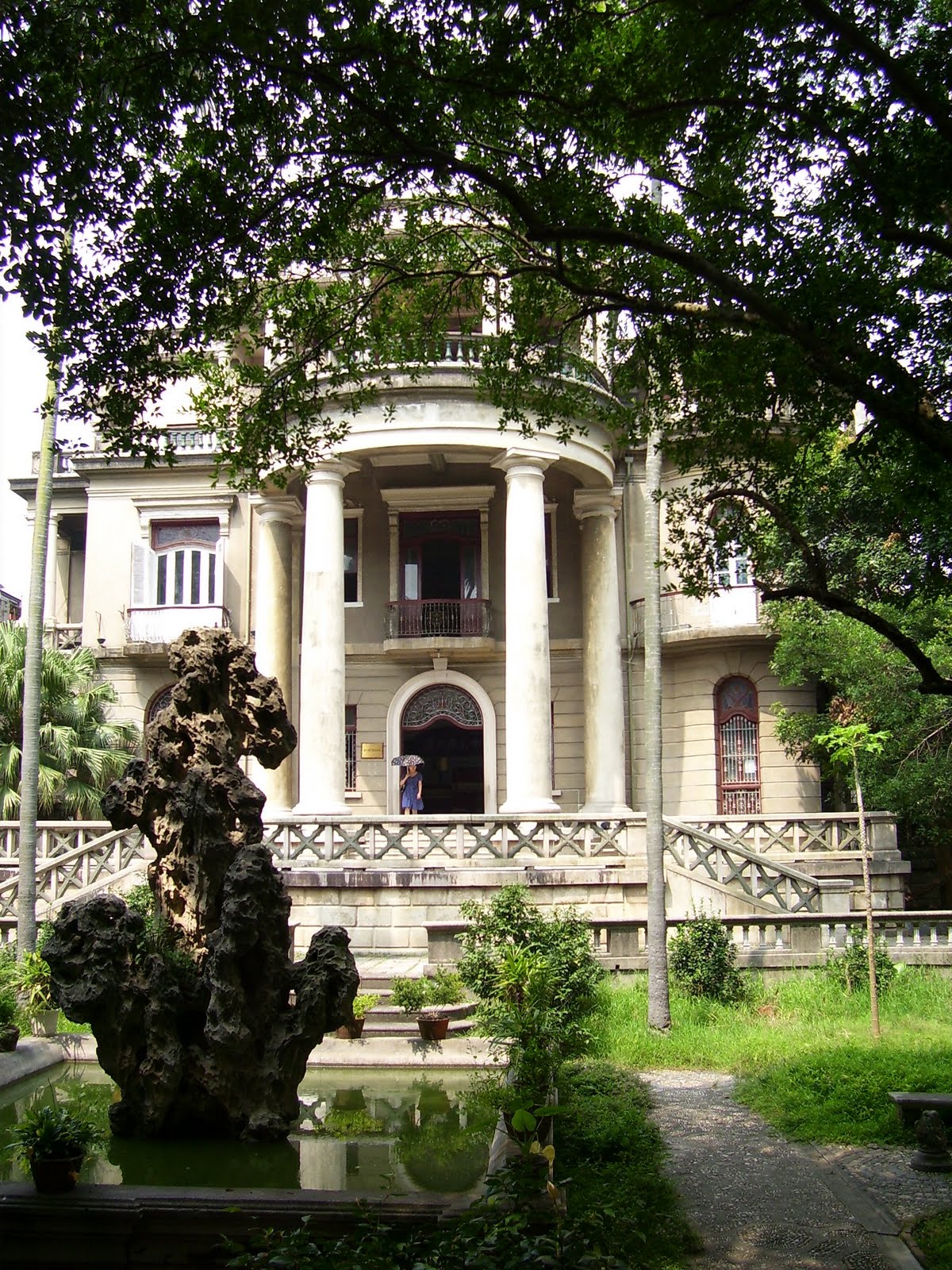
Mansion on Gulangyu. ©2007 L. Peat O’Neil

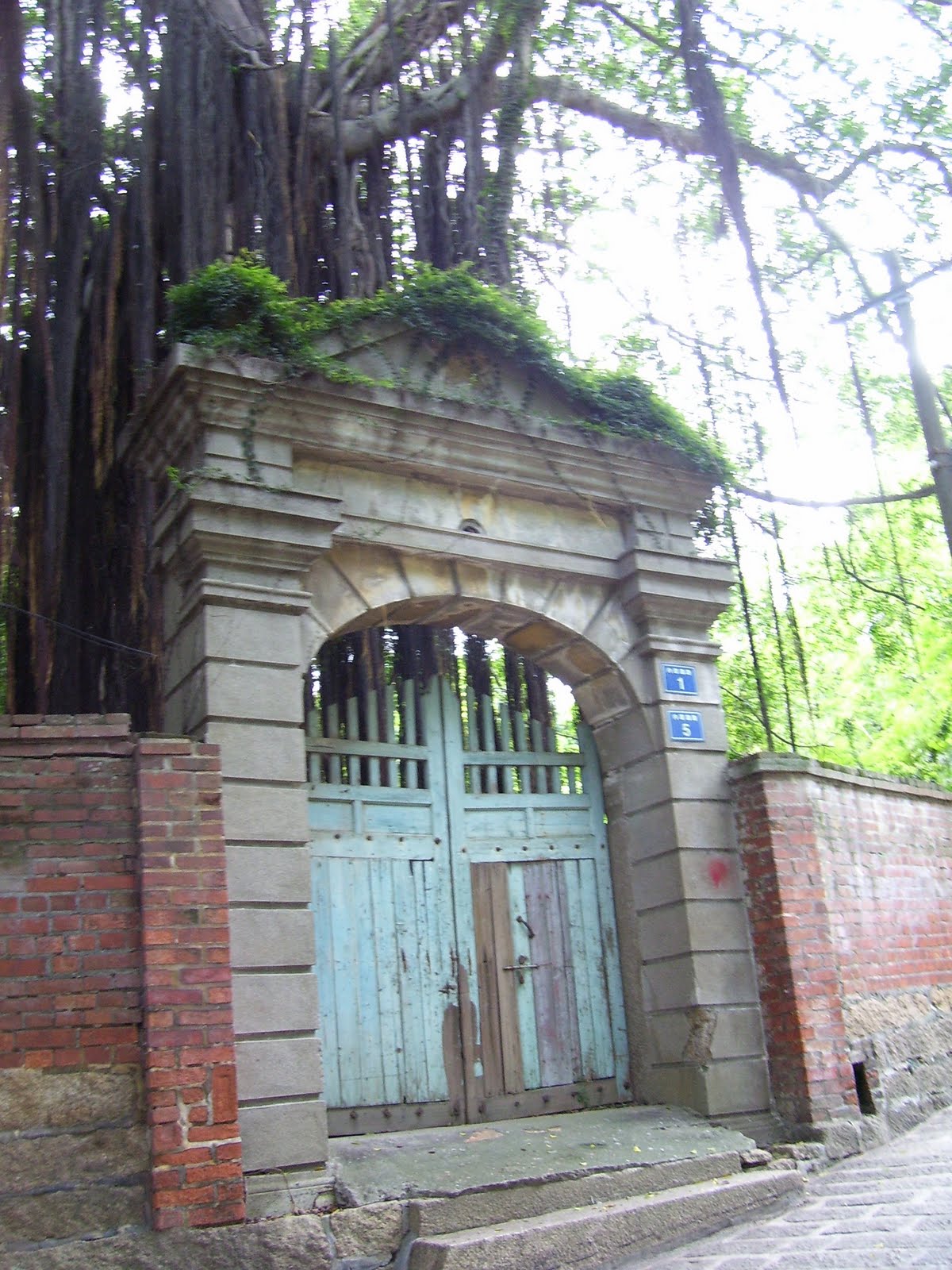
Entry gate to an abandoned estate in a formerly elegant neighborhood on Gulangyu. ©2007 L. Peat O’Neil


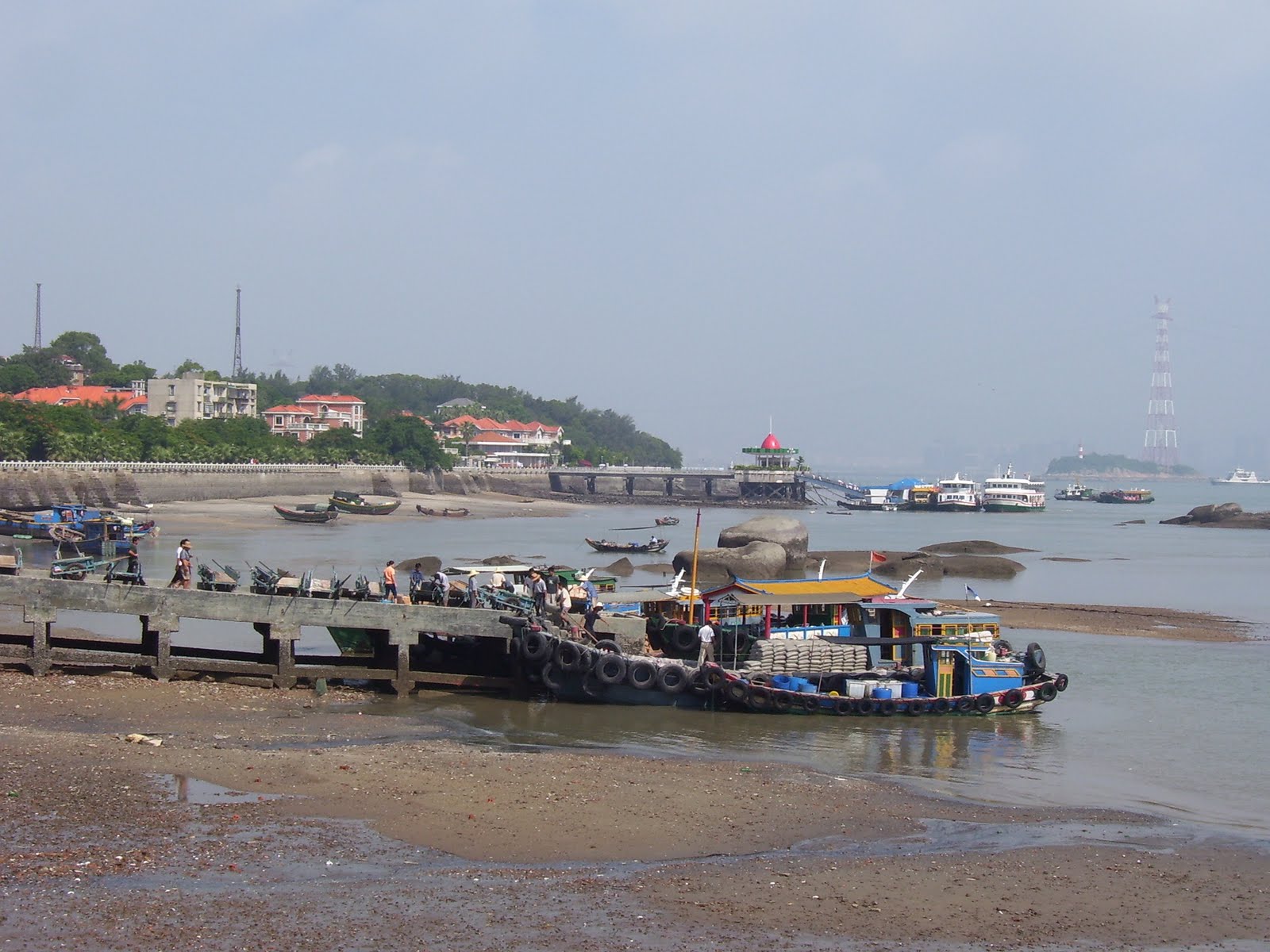
Supply boats unloading at Gulangyu. © 2007 L.Peat O’Neil

On the beach when the tide was out I found pottery bits and sea glass. Paths along the waterfront are outfitted with speakers for recorded music of a better quality than Muzak.

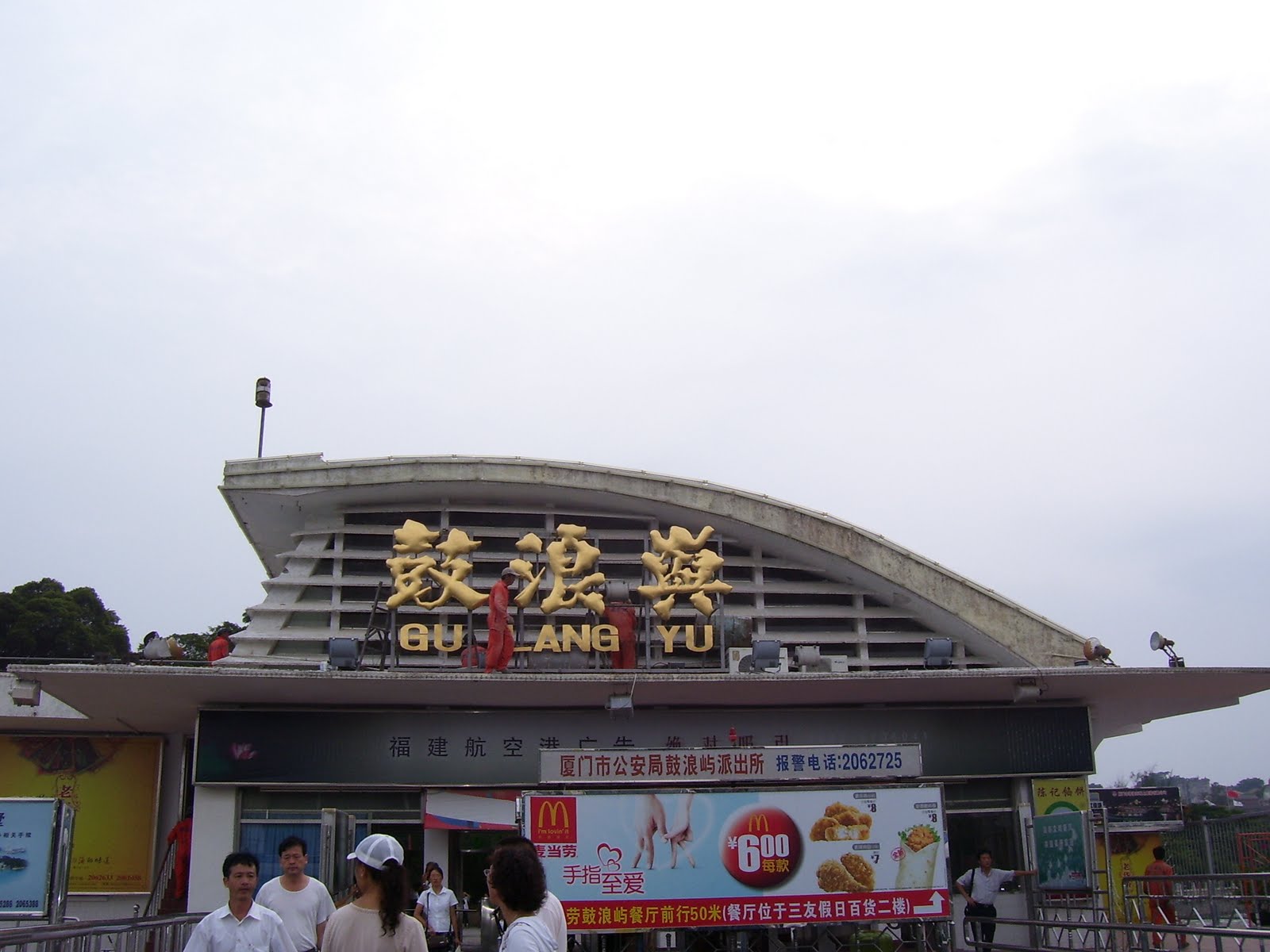
Ferry Terminal, Gulangyu. ©2007 L. Peat O’Neil

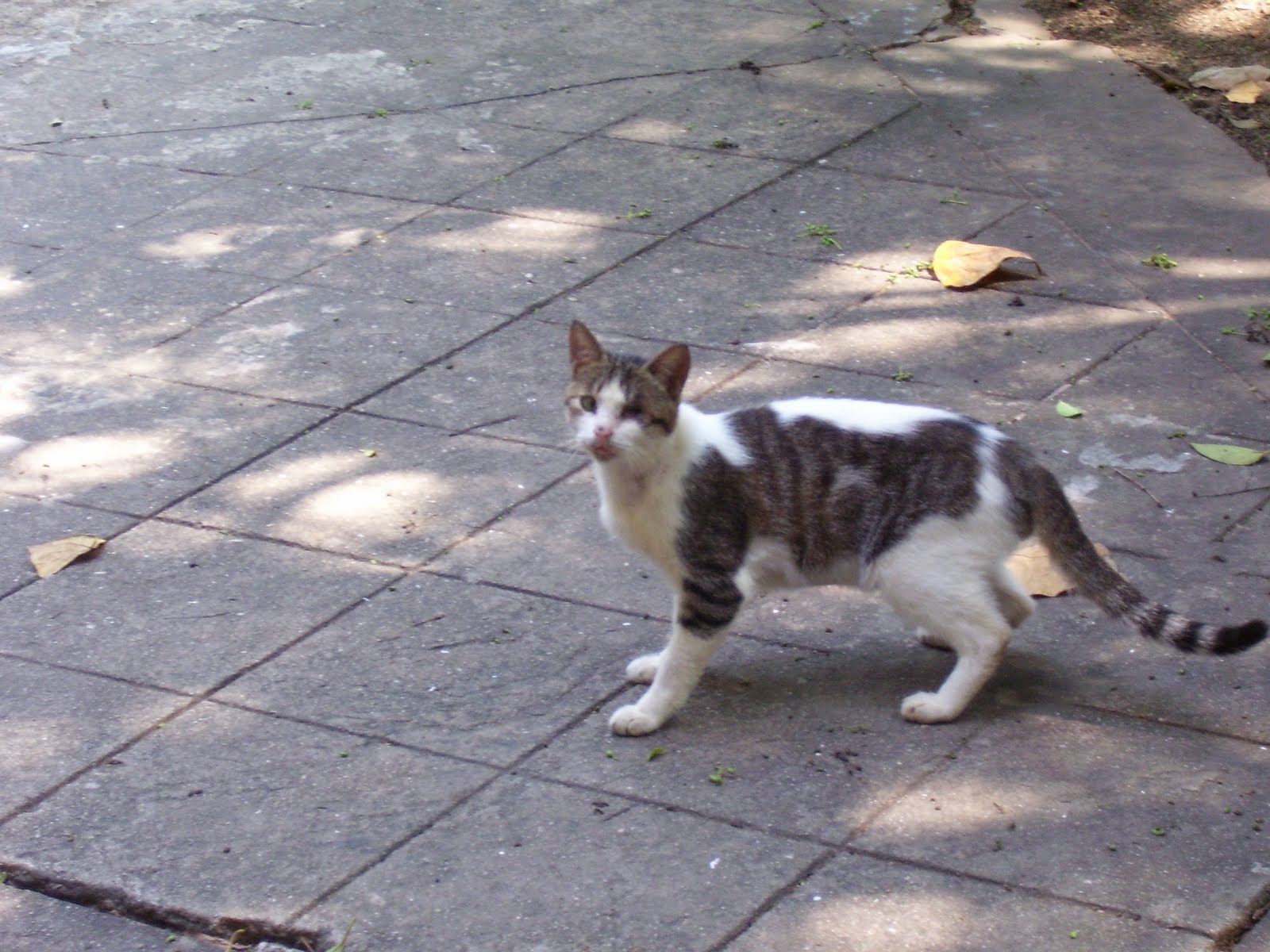
Feral cats thrive on Gulangyu. ©2007 L. Peat O’Neil

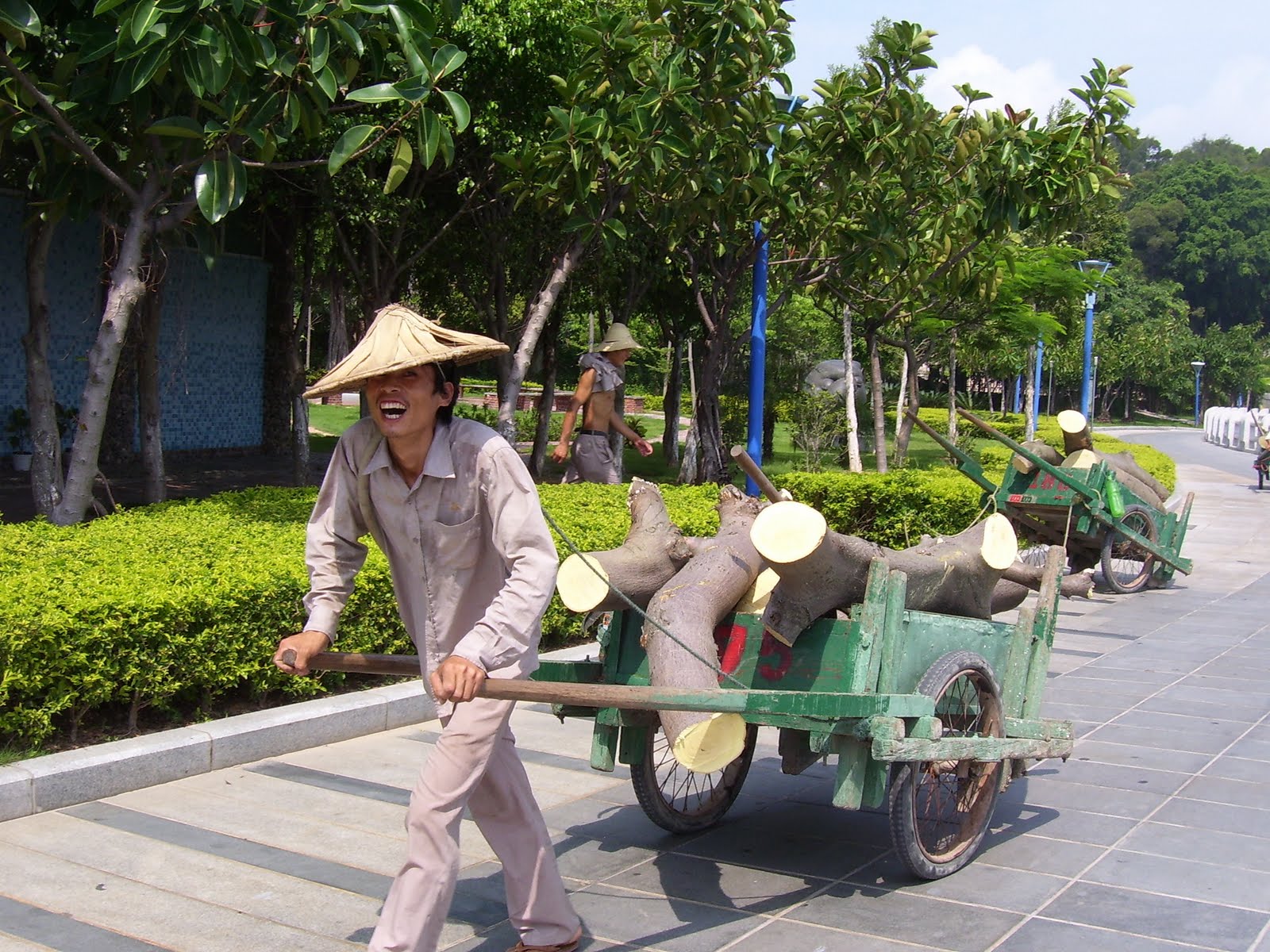
Worker hauls away cut tree limbs. ©2007 L. Peat O’Neil

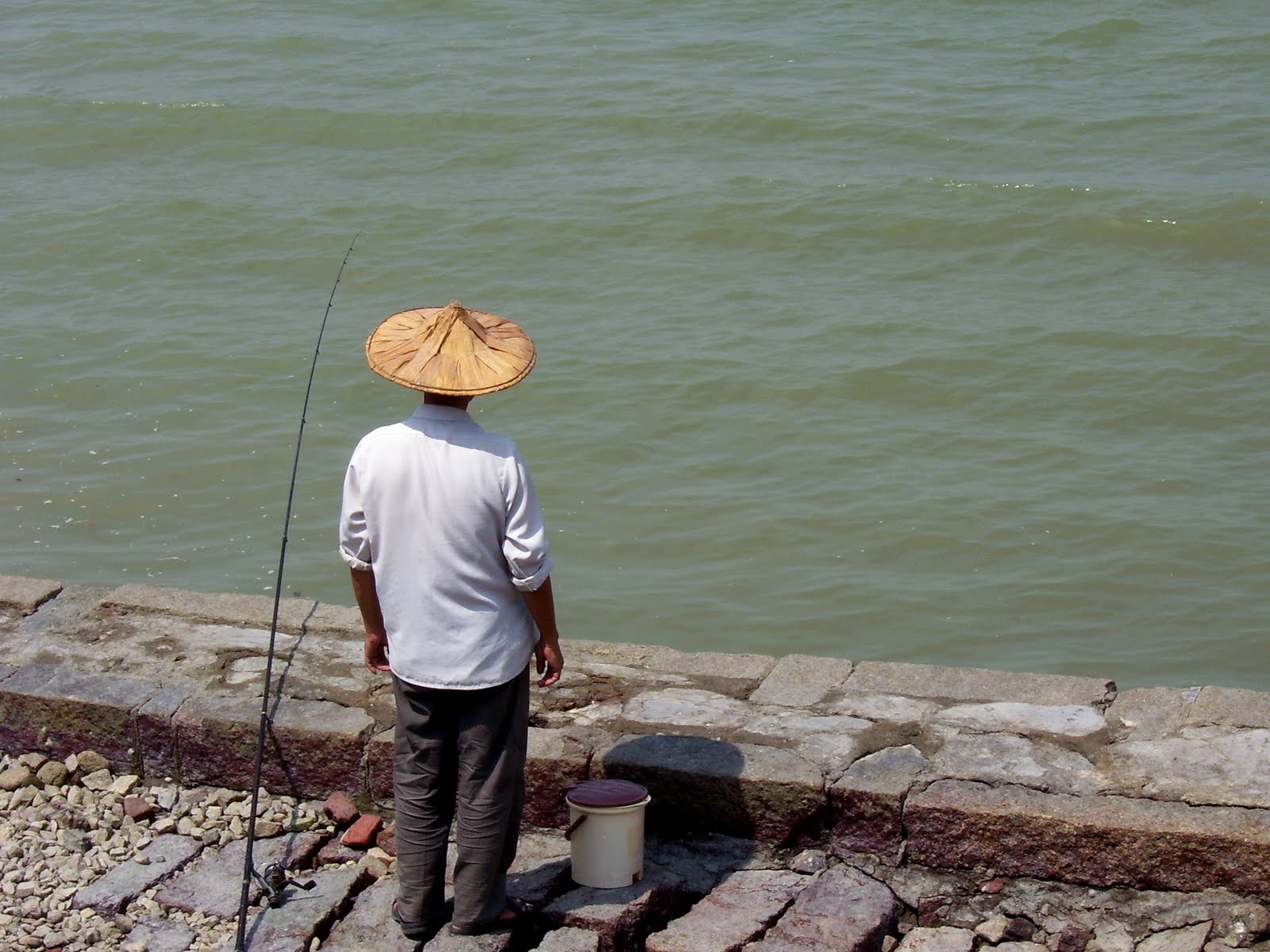
Solo fisherman. ©2007 L. Peat O’Neil

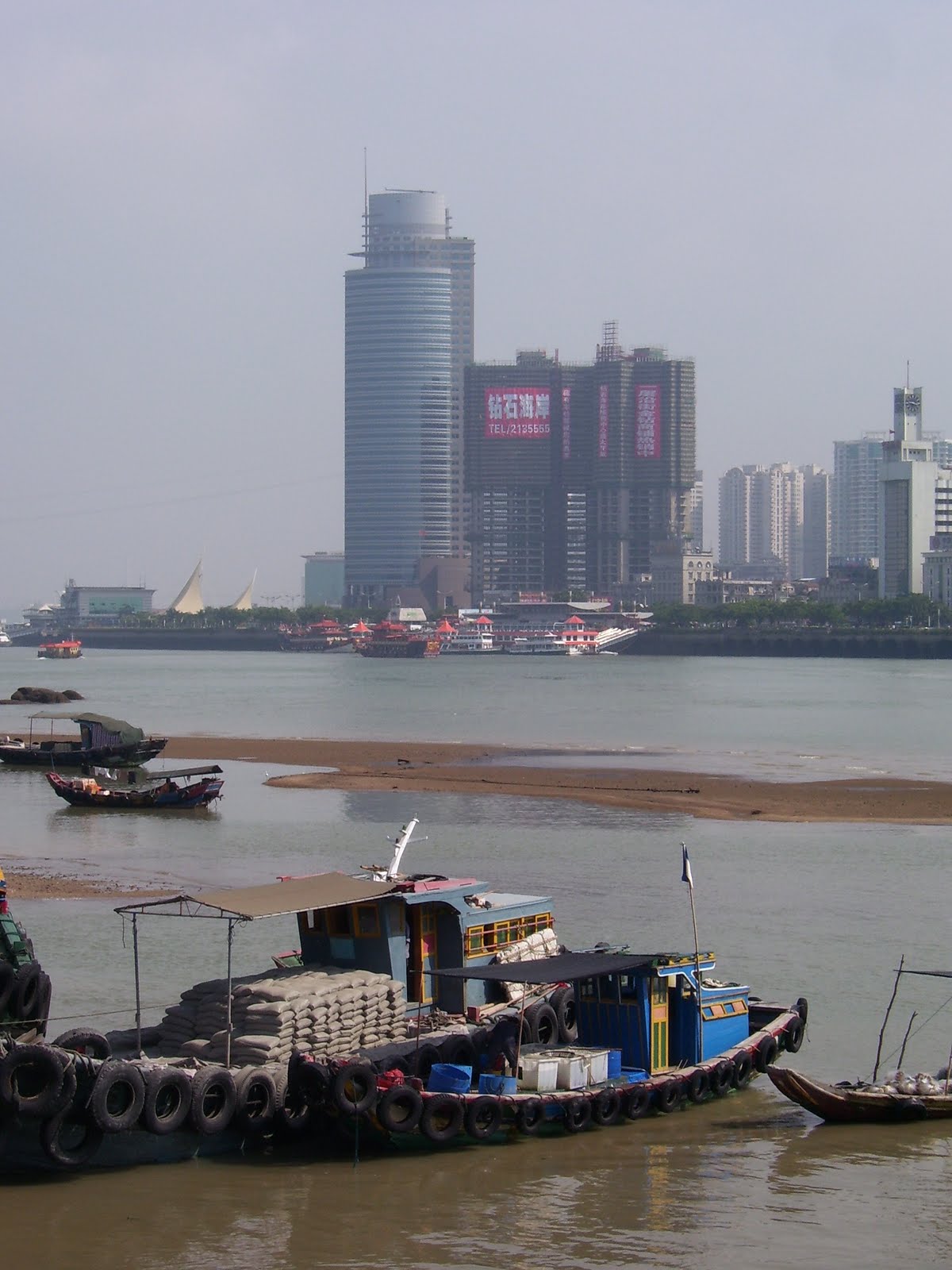
Xiamen is the city in the distance. ©2007 L. Peat O’Neil


Gulangyu’s main attraction would be the amazing mansions built by wealthy Colonial and Chinese merchants during the late 19th and early 20th centuries. Gulangyu has always attracted smugglers and drug dealers. Many of the mansions are being snapped up and renovated by China’s new bourgeoisie class.

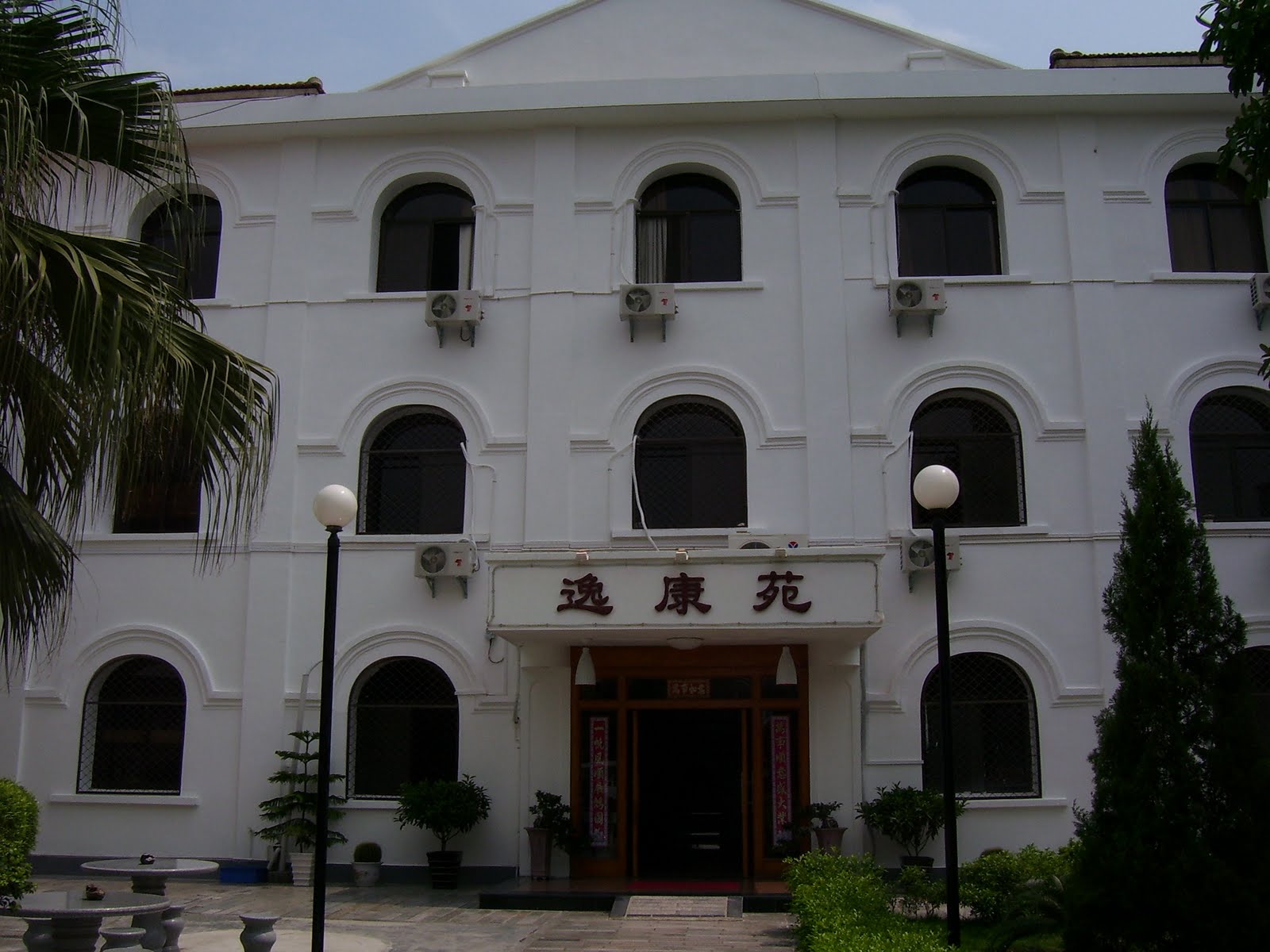
Former U.S. and British consulates dating back to the mid-19th c. are now hotels or repurposed for civic benefit. The Spanish consulate next to the Catholic Church was converted to a communal home for senior citizens.

Former Spanish Consulate, Gulangyu. ©2007 L. Peat O’Neil

Posted in Budget Travel, History, Hot Climates, Travel | Tagged , , , | Leave a comment

Training for a Walking or Hiking Tour

YOU KNOW that walking regularly can mitigate or even prevent a host of conditions ranging from obesity to heart disease. But do you know how to walkto get the most out of your exercise sessions?

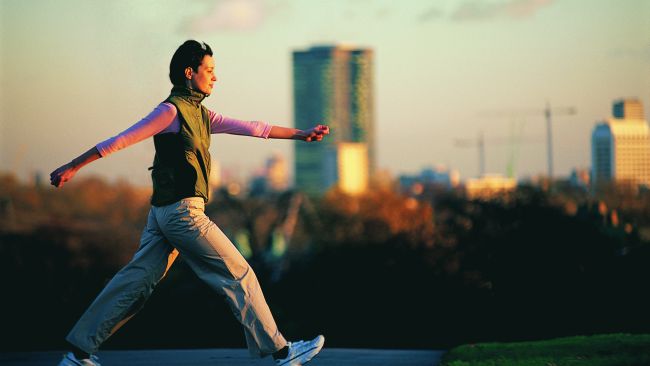
Image from weather.com

Image from weather.com

Here are some pointers.

* Aim for a confident, “walk tall” posture, which means keeping your head
high, shoulders down and back, stomach in, and buttocks under. Slouching over
compresses your organs and diaphragm (the muscle that moves the lungs), making
it difficult to breathe as deeply as you could with good posture.

* Start at a comfortable pace with even steps. Gradually pick up speed, but
don’t shoot for an overly long stride. It won’t burn extra calories or work
your muscles any better.

* Let your arms swing freely and rhythmically, using them to help power you
along. Moving your arms while walking also helps give you balance–and works
more muscle groups in the process.

* Take full, relaxed breaths. “People often hold their breath during
exercise–it’s an unconscious behavior,” says Jennifer Layne, an exercise
physiologist at Tufts. But not breathing freely means short delays in getting
oxygen to all your body tissues as you move along.

* Try to work up to a brisk pace. If you’re not moving at a pace that’s fast
enough to deepen your breathing and make your heart beat faster, you may be
burning a few calories and even lifting your mood–but you’re not
strengthening your heart and lungs or improving your endurance. In other
words, if you’re not challenging yourself at all, you’re not engaging in
aerobic conditioning.

Note: Many of these tips come from the Massachusetts Executive Office of Elder
Affairs’  Keep Moving program

Sources:

* Tufts University Health & Nutrition Letter, Nov 1999 v17 i9 p7.  Are You Using The Best Walking Technique? Full Text COPYRIGHT 1999 W.H. White Publications, Inc.

* Interview with Rebecca Solnit,  author of Wanderlust. A literary history of human perambulation.

*Peace Pilgrim walked around the continental USA sharing a message of simplicity and peace.

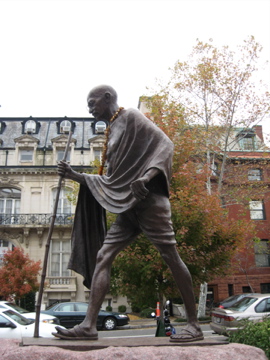
Statue of Mahatma Gandhi walking installed adjacent to Embassy Row -  Massachusetts Ave. NW near Dupont Circle, Washington DC. Image © L Peat O'Neil 2009

Statue of Mahatma Gandhi walking installed adjacent to Embassy Row – Massachusetts Ave. NW near Dupont Circle, Washington DC.
Image © L Peat O’Neil 2009


Posted in Outdoors Life, Walking | Tagged , , , , , , , | 2 Comments